

If you are turning 65 this year, prescription drug coverage is one of the most important decisions you will make. Medicare Part D helps millions of Americans pay for their medications each year. Understanding how it works in 2026 can save you real money and help you avoid costly penalties.
We work with clients across nine states every day on exactly this topic. Part D is one of the most misunderstood parts of Medicare. Many people enroll in the wrong plan and pay more than they should each month. Others skip Part D entirely and face permanent late enrollment penalties later.
This guide will walk you through what Medicare Part D is, how it works in 2026, and what steps you should take right now.
What Is Medicare Part D?
This video above explains all parts of Medicare, including part D.
Medicare Part D is the prescription drug coverage portion of Medicare. It is offered through private insurance companies approved by the federal government. Original Medicare, which includes Part A and Part B, does not cover most prescription medications.
Part D fills that gap. Each plan comes with a list of covered medications called a formulary. Plans also vary in their monthly premiums, deductibles, and copays.
You can learn more about how Part D fits into the broader Medicare program at Medicare.gov.
Part D is available in two ways. You can add it as a standalone plan alongside Original Medicare and a Medicare Supplement. You can also get it bundled into a Medicare Advantage plan that already includes drug coverage.
How Medicare Part D Works In 2026
Medicare Part D plans in 2026 include some significant changes that every beneficiary should understand. The federal government made updates through the Inflation Reduction Act that directly affect your out-of-pocket drug costs.
Here is what is new for 2026.
The $2,000 Out-Of-Pocket Cap
One of the biggest changes for 2026 is a new out-of-pocket cap on prescription drug costs. Once you spend $2,000 on covered medications in a calendar year, your Part D plan pays 100% for the rest of the year. This is a landmark change that provides real financial protection for people who take expensive medications.
Previously, Medicare beneficiaries faced the coverage gap known as the donut hole. That gap forced many seniors to pay full price for medications for a stretch of the year. The new cap eliminates that burden for most people.
The Medicare Prescription Payment Plan
Part D now includes a payment option that spreads your out-of-pocket drug costs across the year. Instead of paying large amounts at once early in the year, you can spread those costs into smaller monthly payments. This helps beneficiaries manage their budgets throughout the year without facing large upfront costs.
Formulary And Premium Differences Still Matter
Even with these improvements, not all Part D plans work the same way. Each plan covers different medications at different cost levels. The monthly premium, annual deductible, and copay structure all vary from plan to plan.
Choosing the wrong plan can still cost you a significant amount of money each year. Comparing plans carefully before the Annual Enrollment Period closes is essential.
Who Needs Medicare Part D?
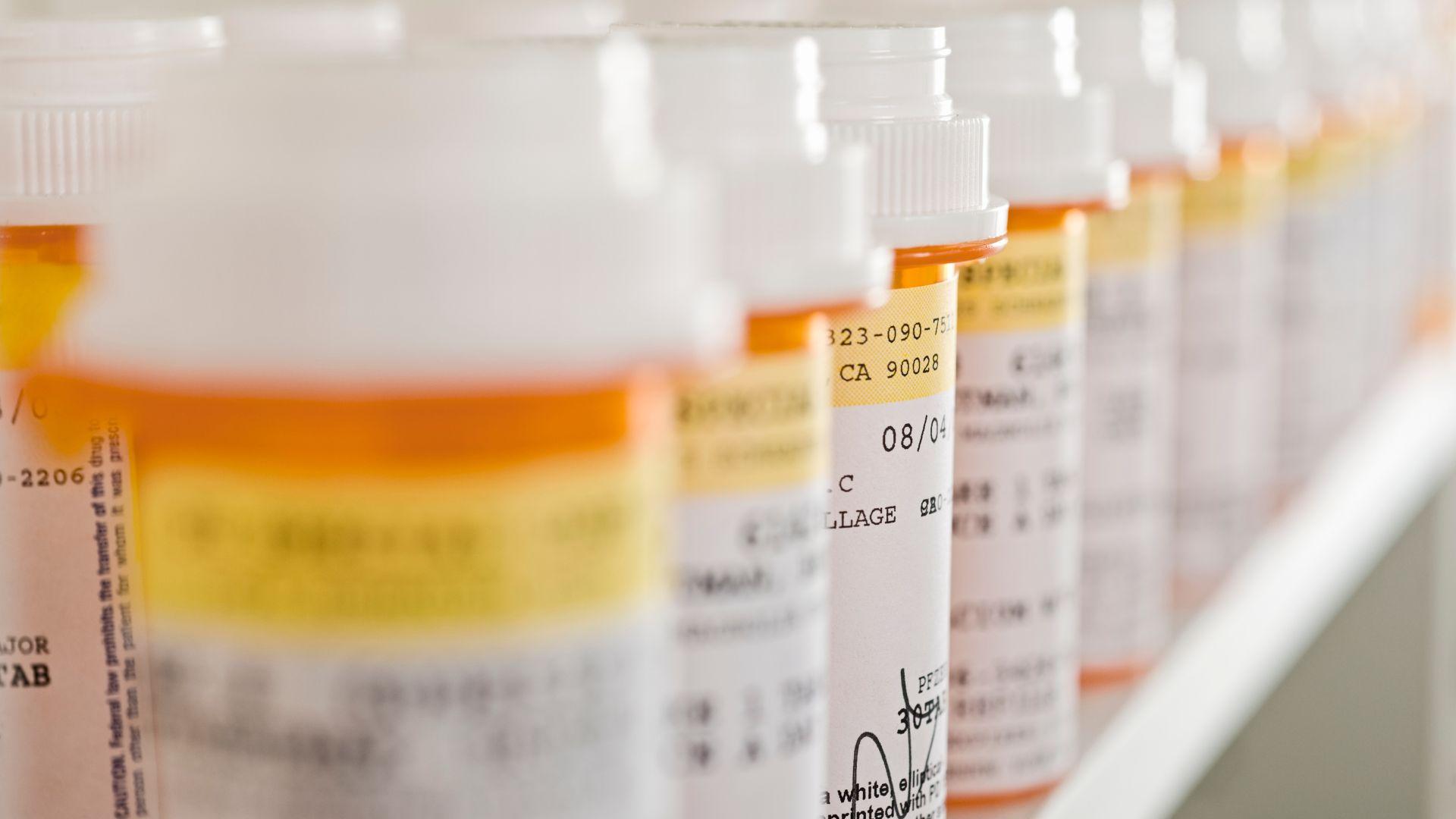
Most Medicare beneficiaries need some form of prescription drug coverage. Even if you do not take many medications right now, enrolling in a Part D plan protects you from future costs and avoids late enrollment penalties.
Part D is not automatic. You must actively choose and enroll in a plan. Many people assume their Medicare coverage includes prescriptions, but Original Medicare does not cover most drugs.
If you currently get drug coverage through an employer, union, or other source, that coverage may qualify as creditable coverage. Creditable coverage means it meets Medicare standards and allows you to delay Part D enrollment without penalty. Always confirm with your benefits administrator whether your current plan qualifies.
The Medicare Part D Late Enrollment Penalty
Skipping Part D when you are first eligible is a mistake that costs many seniors money for the rest of their lives. If you do not enroll in Part D when you first become eligible and you do not have other creditable drug coverage, you will face a late enrollment penalty.
That penalty adds 1% of the national base beneficiary premium for every month you went without coverage. The penalty applies permanently to your monthly premium for as long as you have Part D. It does not go away after a set period of time.
Many people do not learn about this penalty until it is already too late. We help clients across Idaho, Utah, Montana, Wyoming, Nevada, Colorado, Arizona, Washington, and Oregon avoid this situation every year. If you have questions about your enrollment window, contact our team before your deadline passes.
When Can You Enroll In Medicare Part D?
There are several enrollment windows available to Medicare beneficiaries.
Your Initial Enrollment Period lasts seven months. It starts three months before your 65th birthday month and ends three months after. This is the best time to enroll and avoid any penalty.
The Annual Enrollment Period runs from October 15 through December 7 each year. During this window, you can switch Part D plans, drop coverage, or add drug coverage for the first time if you qualify. Changes made during this period take effect January 1 of the following year.
The Medicare Advantage Open Enrollment Period runs from January 1 through March 31. During this time, you can switch from one Medicare Advantage plan to another or return to Original Medicare.
July is actually a smart time to start preparing for the fall Annual Enrollment Period. Reviewing your current plan now gives you time to compare options before October 15 arrives. Do not wait until the last minute to start this process.
How To Choose The Right Part D Plan
Choosing the right Medicare Part D plan requires looking at more than just the monthly premium. Here are the key factors to compare.
First, check whether your current medications are on the plan’s formulary. A low premium means nothing if your drugs are not covered. Second, look at the tier your medications fall under. Lower tiers mean lower copays. Third, review the annual deductible. Some plans have no deductible, while others start at several hundred dollars.
Finally, check which pharmacies are in the plan’s network. Using an in-network pharmacy keeps your costs lower. Some plans also offer preferred pharmacy pricing that reduces your copay even further.
Comparing all of these factors across multiple plans is time-consuming. That is exactly why we offer free consultations to help you sort through your options. Our team reviews your specific medications and finds the plan that delivers the most value for your situation.
Visit our Medicare insurance page to learn more about the plans we help clients find across our nine-state service area.
Let Us Help You Find The Right Part D Plan
Medicare Part D plans in 2026 offer stronger protections than ever before. The new out-of-pocket cap is a meaningful change for anyone who takes costly medications. Even so, choosing the wrong plan can still leave you paying more than you need to each month.
We are licensed across Idaho, Utah, Montana, Wyoming, Nevada, Colorado, Arizona, Washington, and Oregon. Our team offers free consultations to help you compare Part D plans side by side. We take the time to review your prescriptions, your budget, and your coverage goals before making any recommendation.
Do not wait until October to start thinking about your drug coverage. Call us now and get ahead of the Annual Enrollment Period before plans fill up and deadlines approach.
Call us today at (208) 557-1234 to speak with a local Medicare expert. You can also submit a contact form on our website to schedule your free consultation. Our Idaho Falls and Pocatello offices welcome walk-ins as well.
Serving clients in: Idaho, Utah, Montana, Wyoming, Nevada, Colorado, Arizona, Washington, and Oregon.